By Wilnard Bacelonia
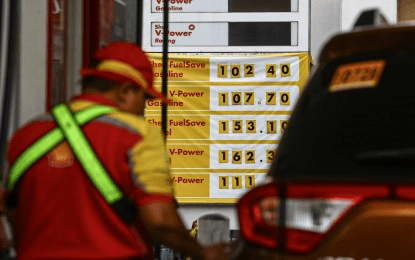
MANILA – A Senate investigation may be initiated if local pump prices fail to reflect the recent decline in global oil prices, Senator Sherwin Gatchalian said Thursday as concerns mount over possible discrepancies in fuel pricing.
Gatchalian, who chairs the Senate Proactive Response and Oversight for Timely and Effective Crisis Strategy (PROTECT) Committee, said authorities are closely monitoring the movement of domestic fuel prices following a reported drop in global crude oil prices, warning that inaction could prompt congressional scrutiny.
“Kapag tumaas ang presyo sa international market, kaagad tumataas dito. Pero kapag bumababa, parang mabagal ang pagbaba. Hindi pwedeng tanggapin lang natin ito (When prices rise in the international market, they immediately increase here. But when they go down, the decrease seems slow. We cannot just accept this),” Gatchalian said in a radio interview.
He cited the so-called rocket and feather effect, where prices rise quickly but fall gradually, raising questions about whether oil companies are fairly passing on price reductions to consumers.
Gatchalian said the Department of Energy should ensure that fuel price adjustments are aligned with global trends, adding that penalties may be imposed if companies fail to comply.
“Kapag hindi bumaba, dapat parusahan. Iimbestigahan namin ito (If prices do not go down, there should be penalties. We will investigate this),” he said.
He noted that while global oil prices reportedly dropped from more than USD110 per barrel to about USD93 per barrel following easing geopolitical tensions, the impact has yet to be fully felt in local pump prices.
He cited the need for stricter oversight under the current framework, pointing out that limitations in the oil deregulation law have constrained the government’s visibility into pricing structures.
To address this, Gatchalian said he has filed a measure seeking to restore government authority to review and monitor fuel pricing components.
He added that the declaration of a national energy emergency gives the executive branch broader powers to intervene if necessary, including measures to ensure fair pricing in the domestic market. (PNA)